
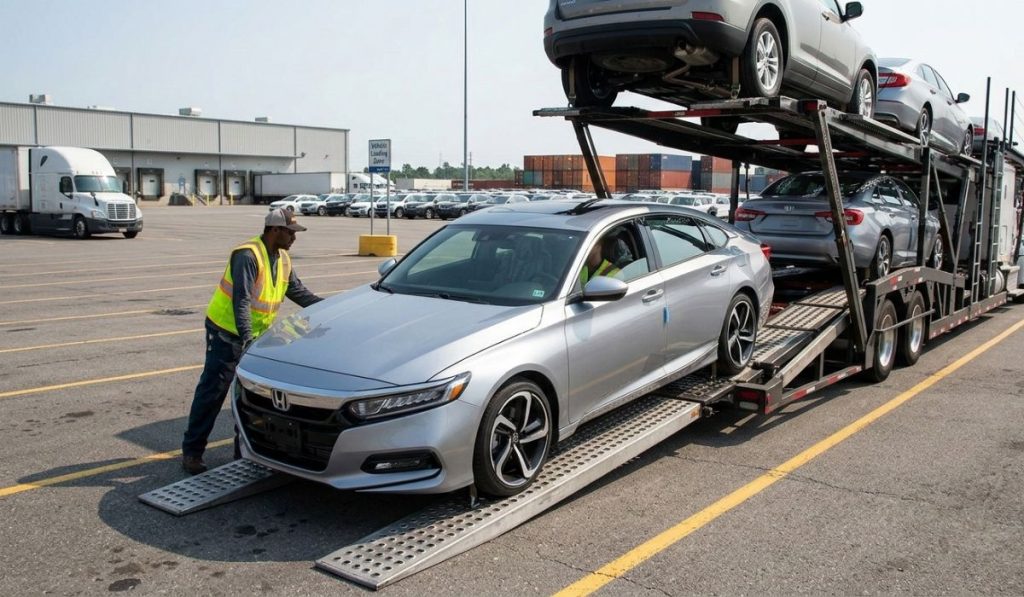
Shipping a vehicle across long distances can save time and effort, but it also raises an important question about protection. That’s where car shipping insurance becomes essential. When you hire a professional transporter, your vehicle travels hundreds or even thousands of miles, which means unexpected incidents can occur. Reliable carriers usually provide motor truck cargo insurance and automobile liability insurance to help cover potential risks during transit.
These policies are designed to reduce financial loss if vehicle damage during transport happens because of accidents, weather, or loading issues. However, coverage limits vary between companies, so understanding auto transport carrier insurance and vehicle transport damage coverage helps you protect your car and ship it with confidence.
What Is Car Shipping Insurance?
Car shipping insurance refers to financial protection for vehicles transported by professional carriers. This protection is part of auto transport insurance or vehicle shipping insurance offered by transport companies. It covers potential losses caused by accidents, theft, or unexpected incidents during shipping. The main goal is protecting owners from vehicle damage during transport.
The process starts when the carrier loads the vehicle onto the trailer. At that moment, the transporter’s auto transport carrier insurance becomes active. This protection is different from personal car insurance because it focuses on transportation risks. It also works alongside car shipping liability coverage and follows federal carrier insurance requirements required for transport companies.
Do You Need Insurance to Ship a Car?
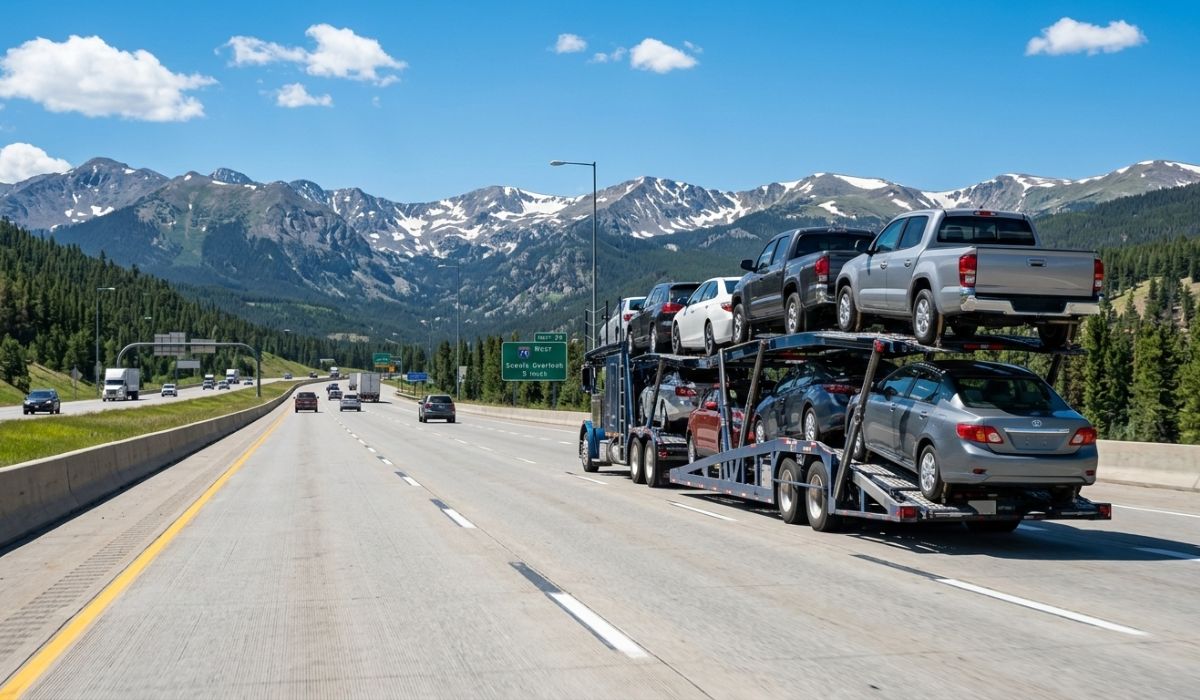
Many people wonder, do you need insurance to ship a car when using a professional transporter. In the United States, carriers must carry automobile liability insurance and follow federal auto transport insurance requirements. This insurance protects others if the truck causes damage or injury during transport. It also establishes auto transport carrier liability standards.
However, the mandatory policy may not fully protect the vehicle itself. That is why customers sometimes consider supplemental car shipping insurance or confirm personal auto insurance during transport with their insurer. Checking coverage, reviewing vehicle transport coverage limits, and completing auto transport insurance verification ensures the vehicle remains protected during the journey.
Types of Car Shipping Insurance Coverage
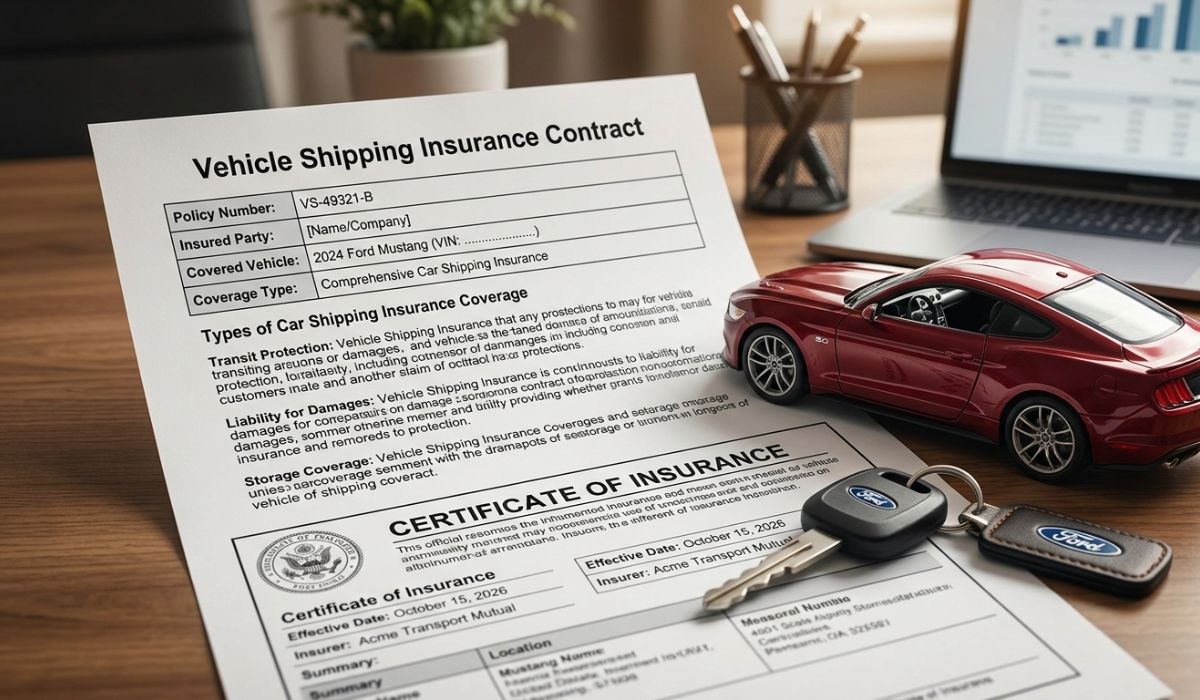
There are several forms of protection available in the auto transport industry. The most common is motor truck cargo insurance, which protects the vehicle being shipped. Another important protection is automobile liability insurance, which protects third parties if an accident occurs. These policies form the base of most vehicle transport insurance policy structures.
Additional options include personal auto insurance during transport, which sometimes provides partial protection, and gap coverage for car shipping, which fills the difference between carrier payouts and vehicle value. Owners of luxury or vintage vehicles often look for classic car transport insurance or high value vehicle shipping insurance when transporting luxury cars safely.
What Does Car Shipping Insurance Cover?

A standard vehicle shipping insurance policy protects vehicles from common transport risks. This includes scratches or dents that occur during loading and unloading. Many policies also include car transport accident coverage, which protects vehicles if the carrier truck is involved in a collision during the journey.
Weather damage, theft, and vandalism may also fall under vehicle transport damage coverage depending on the policy. Coverage may also vary between open car transport insurance and enclosed car transport protection. Enclosed transport typically offers stronger protection against debris and harsh weather conditions during long-distance shipping.
| Coverage Type | Typical Protection |
| Loading Damage | Scratches, dents during vehicle loading |
| Transport Accidents | Protection if carrier truck crashes |
| Theft or Vandalism | Vehicle stolen or intentionally damaged |
| Weather Damage | Hail, storms, and debris |
What Is Not Covered by Car Shipping Insurance?

Even the best car transport insurance does not cover everything. Most policies exclude personal belongings left inside the vehicle. These items are not considered part of the shipment and may cause disputes during car shipping insurance claims if damage occurs during transit.
Another exclusion involves mechanical issues or existing damage. That is why companies require vehicle inspection before shipping and detailed vehicle shipping documentation. Transporters also record vehicle condition in the bill of lading vehicle transport document, which becomes the main reference if what happens if a car is damaged during shipping becomes a legal question.
How Much Does Car Shipping Insurance Cost?

One reason customers choose insured auto transport companies is because basic insurance often comes included in the shipping price. This means the base car shipping insurance cost may already be part of the carrier quote. However, higher coverage limits or luxury vehicles can increase the price.
Several factors influence how much does car shipping insurance cost. Vehicle value plays the largest role because expensive cars require stronger auto transport insurance policy limits. Distance, shipping method, and whether the transport is open or enclosed also affect cost. The table below shows common pricing factors.
| Factor | Impact on Insurance Cost |
| Vehicle Value | Higher value increases insurance cost |
| Transport Distance | Longer routes increase risk |
| Carrier Type | Enclosed transport costs more |
| Additional Coverage | Extra policies raise price |
How to Choose the Right Car Shipping Insurance

Choosing the right car transport liability insurance requires careful research. Start by selecting insured car shipping companies that provide clear policy details. Reliable companies always provide a certificate of insurance (COI) so customers can confirm coverage before the shipment begins.
Customers should also compare vehicle transport coverage limits and confirm the company meets federal carrier insurance requirements. Asking questions about auto shipping protection, coverage limits, and claims processes helps ensure you choose insured car shipping services that truly protect your vehicle during long-distance transport.
What to Do Before Shipping Your Car
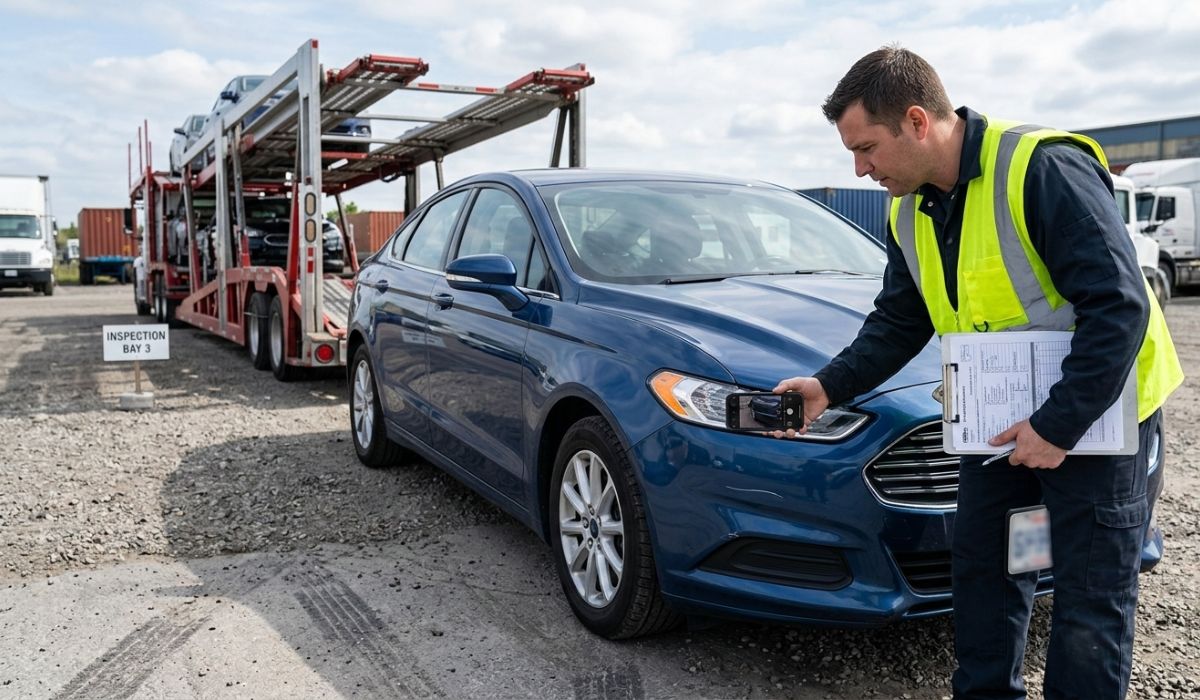
Preparing your vehicle properly can reduce risk during transport. Experts recommend completing a full vehicle inspection before shipping to record the current condition of the vehicle. This process helps prevent disputes if vehicle damage during transport occurs later.
Drivers should remove personal belongings and photograph the vehicle from several angles. These photos support car shipping insurance claims if damage appears during delivery. Transport companies also issue a bill of lading vehicle transport record that includes inspection details and acts as the official shipping agreement.
How to File a Car Shipping Insurance Claim

Filing car shipping insurance claims begins with inspecting the vehicle immediately after delivery. If new damage appears, the owner must document it before signing final paperwork. Clear photos and written notes help prove damage during vehicle shipping occurred while the vehicle was under the carrier’s responsibility.
The claim process usually requires submitting photos, inspection reports, and shipping paperwork. These documents form the official vehicle shipping documentation required for insurance review. Once submitted, insurers evaluate the evidence and determine compensation based on auto transport insurance policy limits.
Car Shipping Insurance FAQs

Should you get insurance when shipping a car?
Yes, it’s recommended because insurance protects your vehicle from damage, theft, or accidents during transport.
How much does $100,000 cargo insurance cost?
For carriers, $100,000 cargo insurance typically costs about $1,000–$2,500 per year depending on risk and company history.
How much does a $1,000,000 liability insurance policy cost?
Commercial auto transport liability insurance with a $1,000,000 limit usually ranges from $5,000–$12,000 per year for carriers.
How expensive is shipping insurance?
Shipping insurance is usually affordable and often included in transport quotes, while extra coverage may cost about $50–$500 depending on vehicle value.
Is shipping insurance ever worth it?
Yes, especially for expensive, classic, or luxury vehicles because it protects you from large repair or replacement costs.
Is shipping insurance illegal?
No, shipping insurance is completely legal and most professional car carriers are required to have insurance coverage.
What is the $3000 rule for cars?
The $3000 rule generally refers to budgeting at least $3,000 annually for total car expenses like insurance, maintenance, and depreciation.
How do I not get scammed shipping my car?
Choose licensed carriers, verify their USDOT and MC numbers, read reviews, and request a Certificate of Insurance before booking.
How much is UPS insurance for $3000?
UPS insurance for a $3,000 shipment usually costs around $30–$40 depending on the shipping service and declared value.
What is the 80% rule in insurance?
The 80% rule means a property must be insured for at least 80% of its value to receive full reimbursement for damage.
Should you pay extra for shipping insurance?
It depends on your vehicle value; extra insurance is helpful for high-value or rare vehicles where standard coverage may not be enough.
What happens if you don’t have shipping insurance?
Without shipping insurance, you may have to pay out-of-pocket for any damage or loss that occurs during transport.
Conclusions
In the end, understanding car shipping insurance is essential before handing your vehicle to a transport company. It protects your car from unexpected risks such as accidents, weather damage, or theft during transit. While most carriers include basic coverage, reviewing policy limits and asking for proof of insurance helps ensure proper protection. For high-value vehicles, purchasing additional coverage can offer extra peace of mind.
By choosing a reputable transporter, documenting your vehicle’s condition, and understanding the claim process, you can reduce risks and ship your car confidently. Taking time to learn about car shipping insurance ensures your vehicle remains protected from pickup to delivery.


Recent Comments