

Winter doesn’t mean forgetting your bike. It means protecting it the right way. If you’re wondering how to store motorcycle for winter, the goal is simple: prevent damage before it starts. Cold air, sitting fuel, and weak batteries can quietly harm your machine during motorcycle winter storage.
That’s why smart riders follow proven motorcycle winter storage tips and focus on proper winterizing a motorcycle before temperatures drops. Learning how to winterize a motorcycle protects your engine, tires, and electrical system from expensive spring surprises. A little preparation now keeps your ride reliable, safe, and ready to roar the moment warmer days return.
Why Proper Motorcycle Winter Storage Is Important
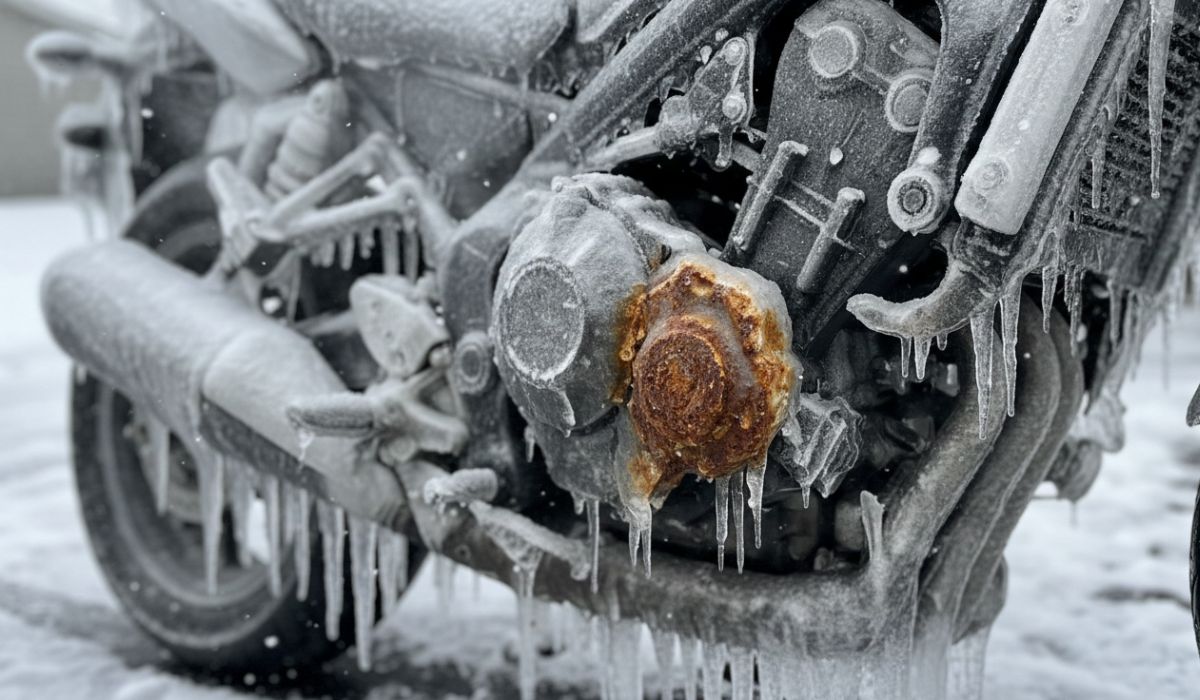
When winter hits, your bike stops moving but damage does not. Long-term motorcycle inactivity allows fuel to break down, batteries to weaken, and metal parts to suffer corrosion and rust damage. That is why smart riders focus on proper motorcycle winter storage tips before the first frost.
Cold air holds less moisture, yet temperature swings cause moisture and condensation inside engines and fuel tanks. This leads to rubber seal deterioration and even oil corrosion in storage. Following your owner’s manual recommendations protects against unexpected winter damage and keeps your machine reliable.
How Long Can a Motorcycle Sit Unused in Winter?
Many riders ask, “Do you have to winterize a motorcycle?” If your bike sits longer than 30 days, problems start quietly. Fuel begins to degrade. Batteries discharge. Tires develop weak points. After 90 days, fuel degradation and battery drain become serious concerns.
Climate matters. In dry Arizona, risks are lower than in snowy Michigan. Still, without a proper motorcycle winterization checklist, even mild states face fuel crystallization and flat tire damage. Understanding how to store motorcycle for winter prevents avoidable stress on every system.
Step-by-Step Guide to Winterizing a Motorcycle

Mastering how to winterize a motorcycle begins with order. Clean first. Service fluids next. Protect the fuel system. Secure the battery. Finally, choose the right storage space. This structured method ensures full fuel system protection and improved battery longevity.
A proper plan supports complete seasonal motorcycle maintenance. Riders who follow a clear routine report fewer spring repairs. Think of winterizing a motorcycle like preparing a boat for dry dock. You are pausing motion, not neglecting care.
Quick Winterization Checklist for First-Time Riders
A simple motorcycle winterization checklist includes washing the bike, performing a motorcycle oil change before winter, adding a fuel stabilizer additive, connecting a battery tender for motorcycle, and lifting the bike using motorcycle stands for storage to prevent flat spots.
Cleaning Your Motorcycle Before Winter Storage
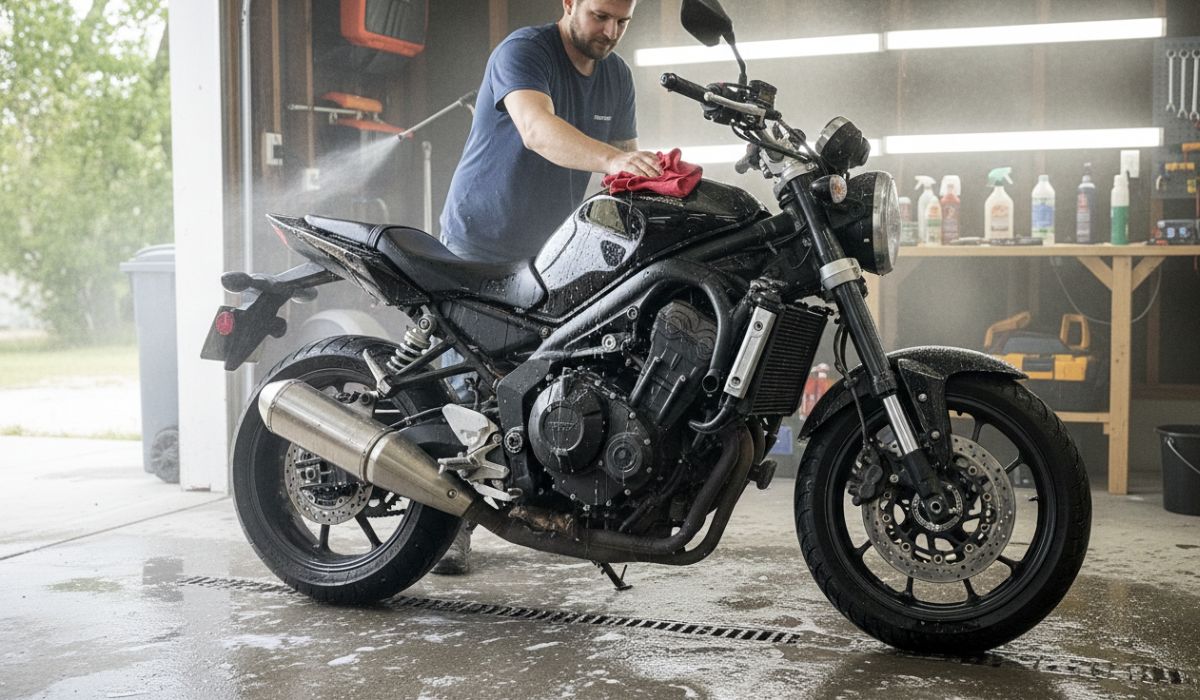
Dirt traps moisture. Road salt accelerates damage. Always wash and wax before storage to prevent motorcycle rust. Use an O-ring safe degreaser to clean chain before storage. Dry the bike completely to avoid hidden moisture and condensation pockets.
Pay attention to chrome and leather. Protect chrome parts with light polish. Apply leather seat treatment to prevent cracking. Proper corrosion prevention shields metal and rubber parts from slow winter decay.
Fluids to Change Before Storing a Motorcycle
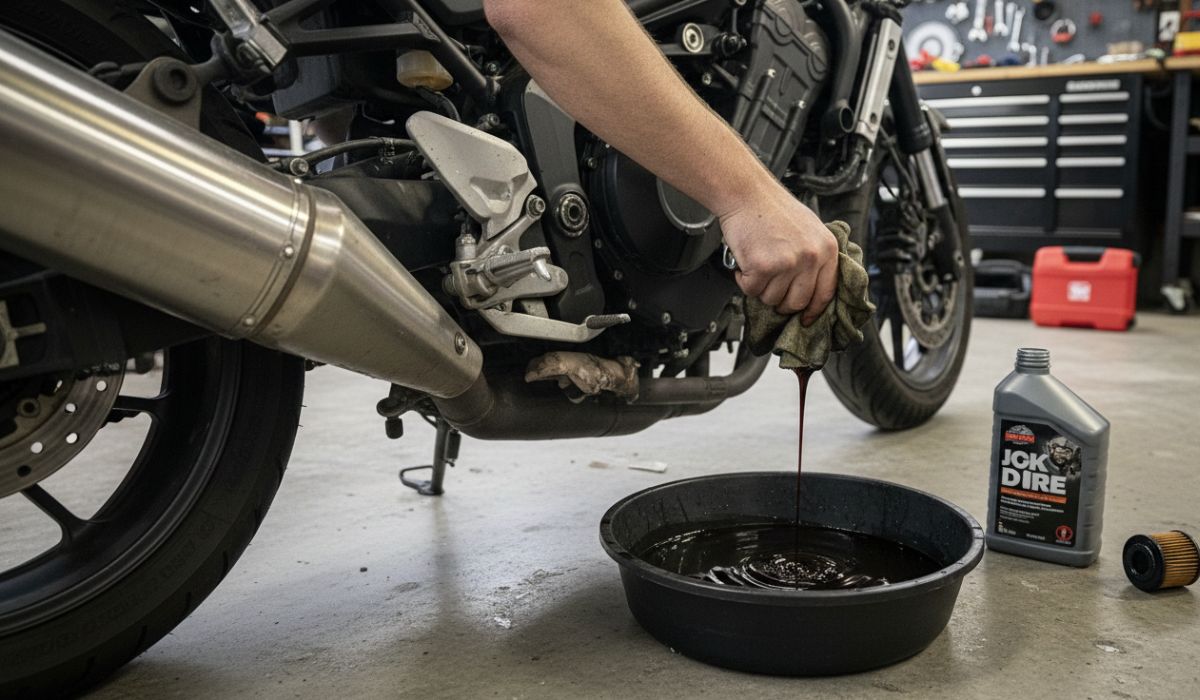
Old fluids become acidic. That is why you must change motorcycle fluids before storage. Replace engine oil to remove contaminated engine oil that causes oil corrosion in storage. Perform brake fluid DOT4 replacement if overdue.
Complete coolant inspection before storage ensures freeze resistance. Do not ignore clutch fluid maintenance. Fresh fluids defend seals and prevent internal damage during freezing temperatures.
Fuel System Preparation for Winter Storage
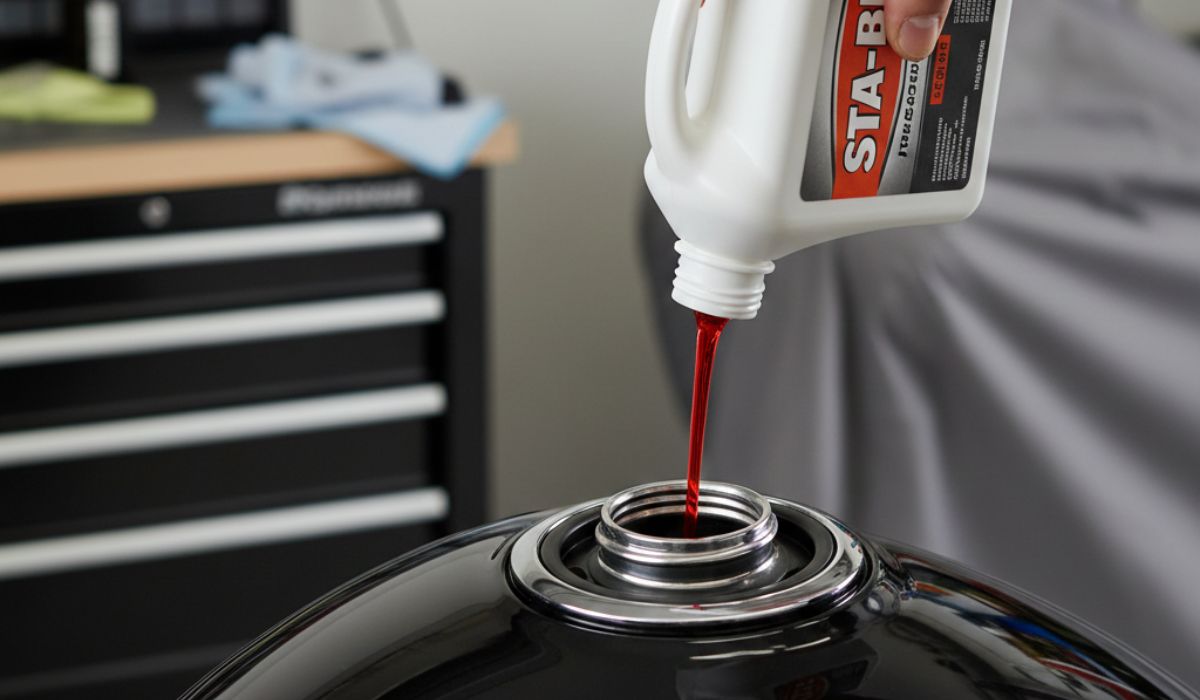
Fuel breaks down fast. Always add a fuel stabilizer additive to prevent fuel degradation. The debate of full tank vs empty tank storage matters. A full tank reduces air space and supports gas tank corrosion prevention.
For carbureted bikes, this step aids clogged carburetor prevention. For modern bikes, it helps protect fuel injectors. Treated fuel prevents fuel crystallization and strengthens complete fuel system protection.
Motorcycle Battery Care During Winter
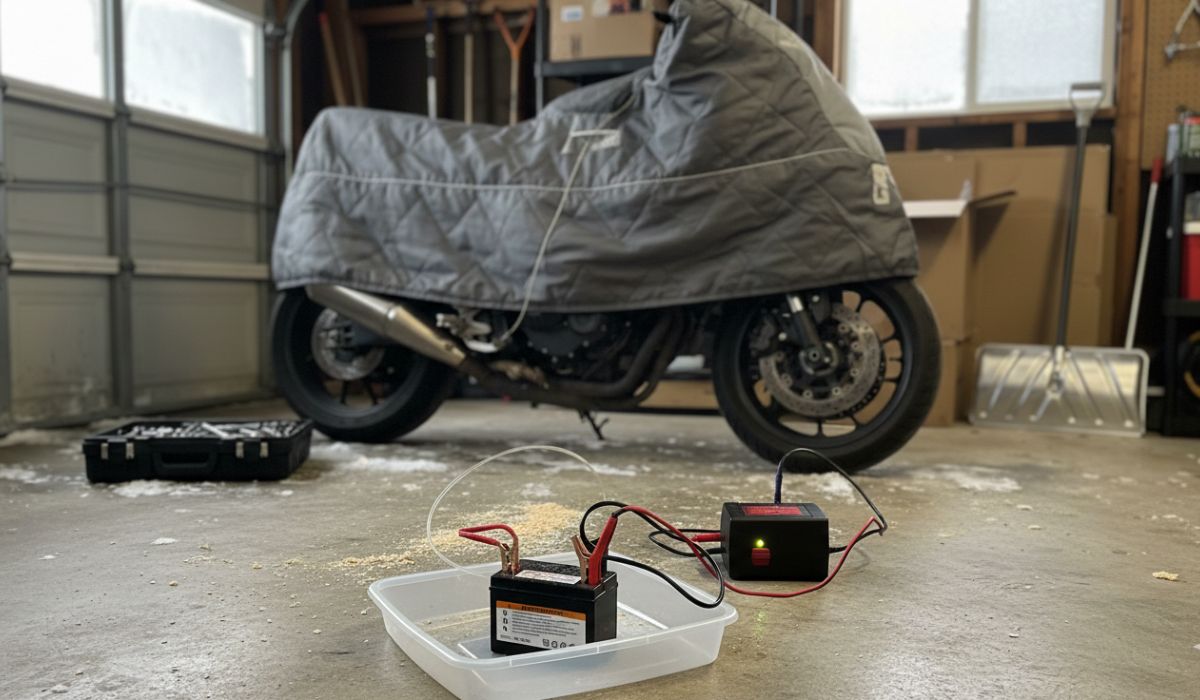
Cold weather drains batteries quickly. Follow proven motorcycle battery storage tips to prevent battery drain in winter. Clean and clean battery terminals before connecting a trickle charger for winter or quality maintainer.
Good motorcycle battery maintenance improves battery longevity. Also consider FOB battery replacement before spring. Riders who skip battery care often face failure during first startup.
Tire Protection and Preventing Flat Spots
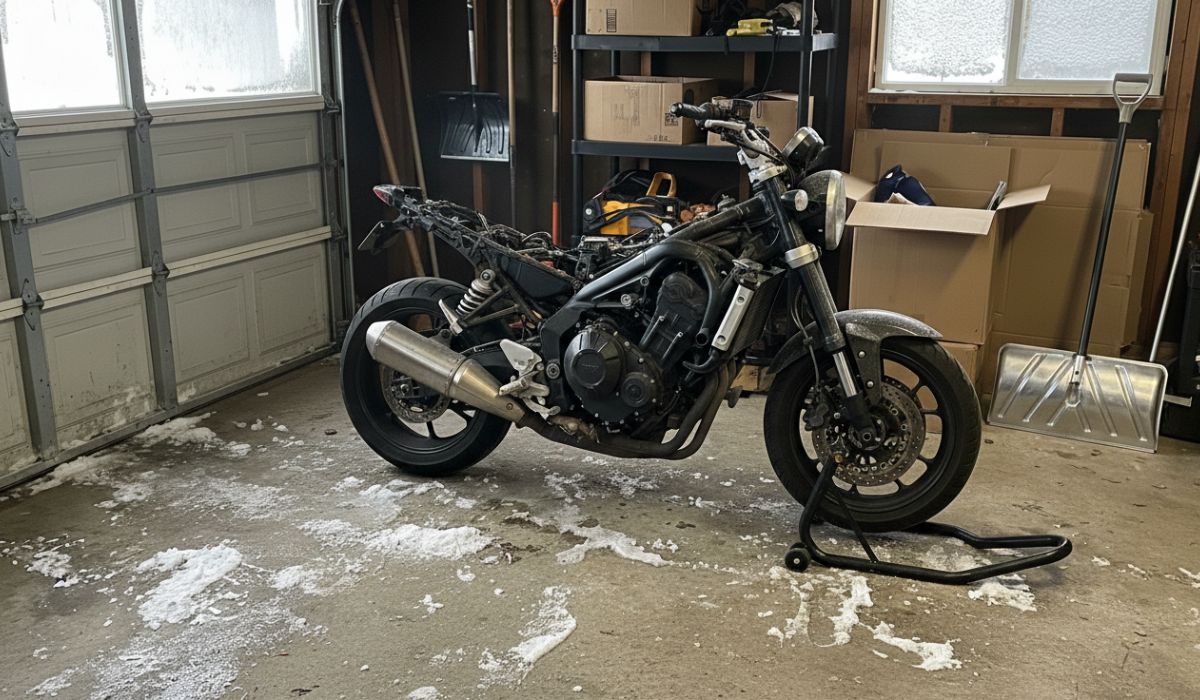
Tires suffer when weight rests in one spot. Perform a motorcycle tire pressure check using correct VIN label tire pressure. Avoid the overinflated tires risk which weakens sidewalls.
Use lifts or motorcycle stands for storage to prevent flat spots and reduce flat tire damage. Conduct a full tire tread inspection before storage to spot wear early.
Storage Method |
Tire Risk Level |
Recommended Action |
| On side stand | Moderate | Rotate monthly |
| Centre stand | Low | Check pressure monthly |
| Full lift | Minimal | Ideal option |
Choosing the Best Location to Store a Motorcycle in Winter
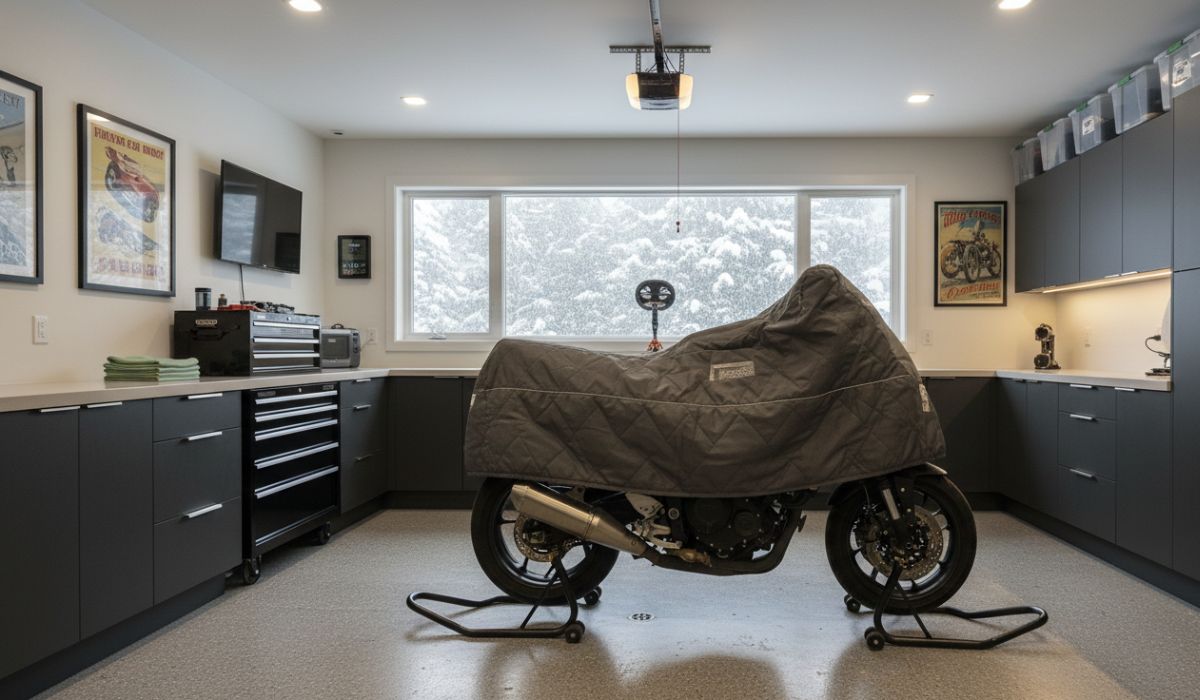
The best option is indoor motorcycle storage with proper ventilation. A ventilated garage storage setup reduces prevent moisture build-up problems. Avoid damp basements or chemical exposure.
A climate-controlled storage unit offers stable temperatures. Many riders prefer climate-controlled motorcycle storage for premium bikes. This limits winter storm risk and environmental stress.
How to Store a Motorcycle Outside in Winter (If You Have No Garage)
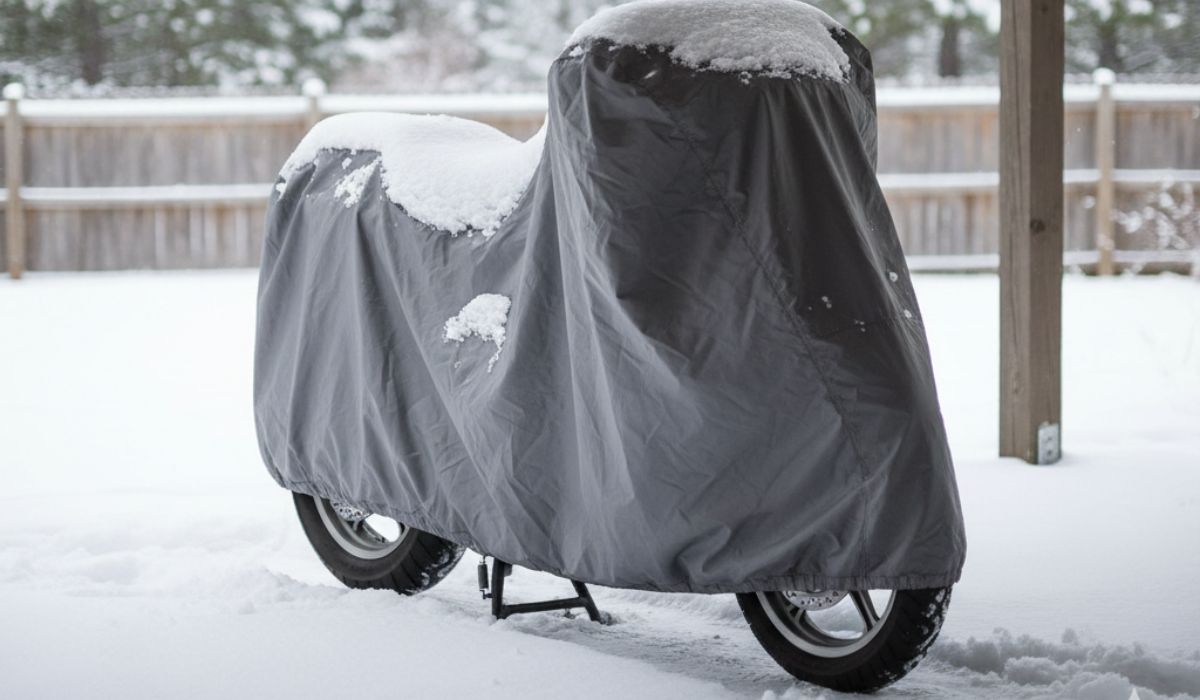
Many ask, “Can you store a motorcycle outside in winter?” Yes, but follow strict outdoor motorcycle storage tips. Use a breathable motorcycle cover and always avoid plastic tarp cover that traps moisture.
Elevate the bike if possible. Block wind exposure. Inspect regularly for unexpected winter damage. Outdoor storage demands extra care to reduce winter storm damage protection concerns.
Common Motorcycle Winter Storage Mistakes to Avoid

Starting the bike weekly without riding creates condensation. That answers “How often should I start my motorcycle in winter?” The answer is rarely. Short idling increases moisture inside the engine.
Skipping stabilizer invites injector clogs. Ignoring covers causes paint wear. Failing to plan increases motorcycle winter storage costs later. Smart riders treat winterizing a motorcycle as prevention, not reaction.
Should You Cancel Motorcycle Insurance During Winter?
Many ask, “Should I cancel motorcycle insurance in winter?” Keeping motorcycle insurance in winter protects against winter motorcycle theft and fire damage. Storage months still carry risk.
Maintain comprehensive motorcycle coverage if possible. Check motorcycle registration laws and DMV insurance requirements in your state. Coverage often supports winter storm damage protection.
Storing Motorcycle Gear and Riding Equipment Safely
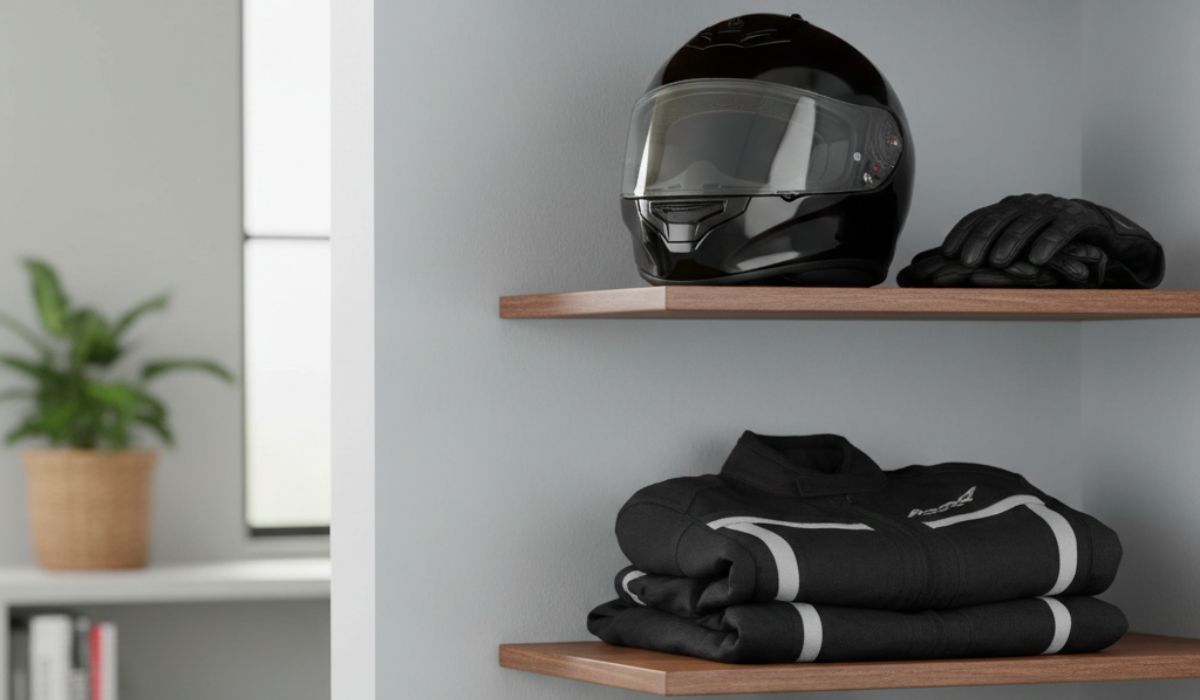
Do not forget gear. Proper PPE winter storage extends life. Always store motorcycle helmet properly in dry spaces. Apply leather jacket conditioner to prevent cracking.
Use correct motorcycle boot storage methods to avoid shape loss. Practice removable Armor care and hang gear in breathable garment bags to stop mild growth.
Frequently Asked Questions About Motorcycle Winter Storage
How cold is too cold to store a motorcycle?
Temperatures below 20°F (-6°C) become risky if the motorcycle isn’t properly winterized, as fluids thicken and batteries drain faster.
What is the 1% rule in motorcycles?
The 1% rule means assuming a 1% performance or reliability loss per month when a motorcycle sits unused without proper maintenance.
Is it better to store a motorcycle with a full or empty tank?
A full tank with a fuel stabilizer is better because it reduces moisture buildup and prevents internal tank corrosion.
How long can a motorcycle sit without being driven?
A motorcycle can sit 30 days safely, but after 60–90 days, battery drain, fuel degradation, and tire issues begin without winterization.
Storage Type |
Average Monthly Cost |
| Home Garage | $0 |
| Storage Unit | $60–$150 |
| Professional Motorcycle Storage | $100–$300 |
How to De-Winterize Your Motorcycle in Spring
Knowing How to de-winterize a motorcycle? is just as important. Begin with your de-winterizing checklist. Inspect fluids, tires, brakes, and battery before first ride.
Complete careful spring startup preparation. Check fuel quality. Confirm tire pressure. Inspect for cracks or leaks. Slow preparation prevents costly surprises.
Final Checklist and Best Practices for Winter Motorcycle Storage
Review your full motorcycle winter storage routine before walking away for the season. Confirm fuel treated. Battery connected. Tires supported. Cover secured. Space dry.
When you master how to store motorcycle for winter, you protect performance, value, and safety. Smart winterizing a motorcycle today means smooth roads tomorrow.




Recent Comments