

Shipping a vehicle across the country doesn’t have to feel overwhelming. Terminal to terminal car shipping offers a structured and budget-friendly way to move your car between two secure transport hubs. Instead of arranging Vehicle pickup and delivery at your home, you drop your car at a designated terminal and collect it at another. This method often lowers overall Car shipping cost and gives you more scheduling control.
Many drivers prefer it over Door-to-door car shipping when planning Long-distance car shipping or even Coast-to-coast car shipping. If you value savings, flexibility, and organized transport routes, this option deserves serious consideration in 2026.
What Is Terminal-to-Terminal Car Shipping?

Terminal to terminal car shipping means you deliver your car to a regional hub. The transport company then moves it to another hub near your destination. This system forms the backbone of many Terminal-to-Terminal Shipping Services across the United States.
In simple terms, you handle the start and finish. The carrier handles the journey between two Shipping terminal locations. Because trucks follow fixed routes and strict Transport truck departure schedule planning, this option often becomes a Cost-effective car transport option and an Affordable alternative to door-to-door service.
How Terminal-to-Terminal Auto Transport Works (Step-by-Step Process)

Understanding How terminal-to-terminal shipping works removes confusion. The process follows a defined structure. First, you request an Auto transport quote online. Many companies let you Get an instant car shipping quote in minutes. You enter ZIP codes, vehicle details, and dates to Calculate car shipping cost accurately.
Next, you complete a Vehicle inspection before shipping at the Vehicle drop-off terminal. The agent issues a Bill of Lading, which documents the car’s condition. After that, the Vehicle loading and unloading process begins. The car travels via Open carrier transport or Enclosed auto transport depending on your choice. Finally, you collect it at the Vehicle pick-up terminal, inspect it again, and confirm delivery.

Terminal-to-Terminal vs. Door-to-Door Car Shipping (Key Differences)
Choosing between terminal-to-terminal car shipping and Door-to-door car shipping depends on your needs. Terminal service lowers the Car shipping cost because drivers avoid residential detours. Door service offers convenience but costs more due to additional Vehicle pickup and delivery coordination.
The comparison below highlights real differences for 2026:
| Feature | Terminal to Terminal Car Shipping | Door-to-Door Shipping |
| Average Cost | Lower | Higher |
| Convenience | Moderate | High |
| Transit Efficiency | Direct routes | Route diversions |
| Best For | Flexible schedules | Busy households |
If you ask, “Is terminal-to-terminal shipping cheaper than door-to-door?” the answer is usually yes. Especially for Long-distance car shipping and Coast-to-coast car shipping, the savings can be significant.
When Should You Choose Terminal-to-Terminal Shipping?
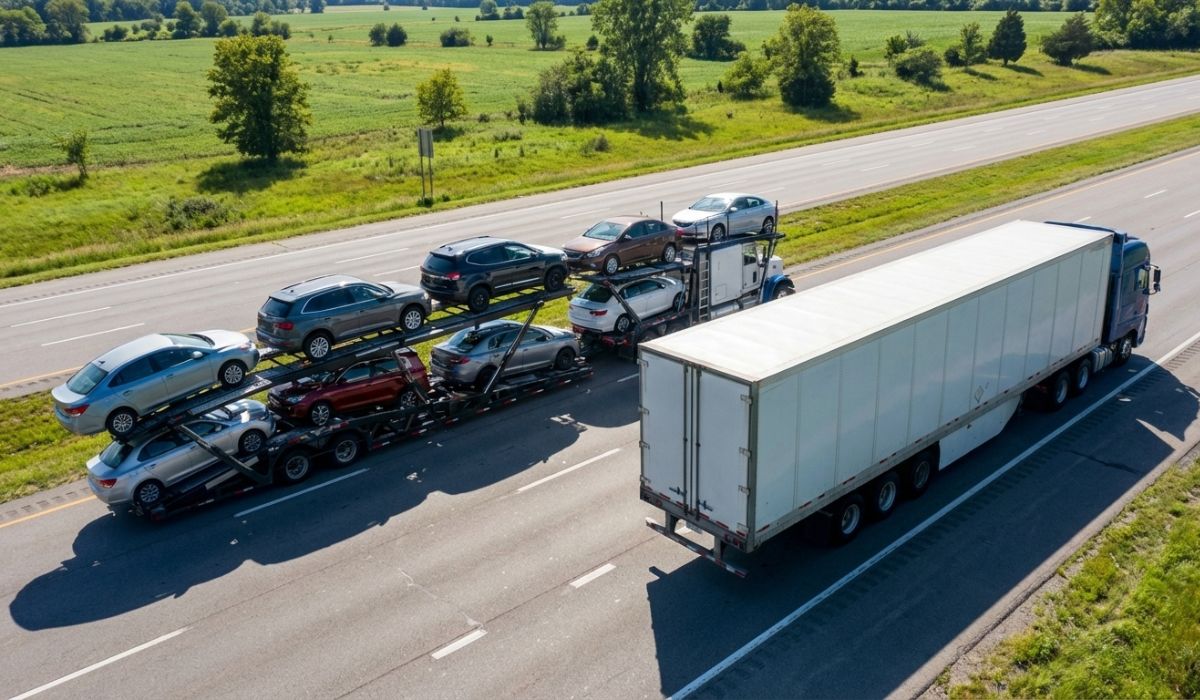
Terminal to terminal car shipping works best for budget-conscious drivers. College students relocating across states often use this method. Military families handling PCS moves also benefit from its Shipping time flexibility and structured timing.
Urban residents gain the most advantage. Major hubs reduce Major city vs remote area shipping cost differences. If you want to Ship Your Car without paying for residential access challenges, this method supports predictable scheduling through a vast Carrier network backed by Auto transport industry experience.
Terminal-to-Terminal Car Shipping Cost Breakdown (2026 Pricing)
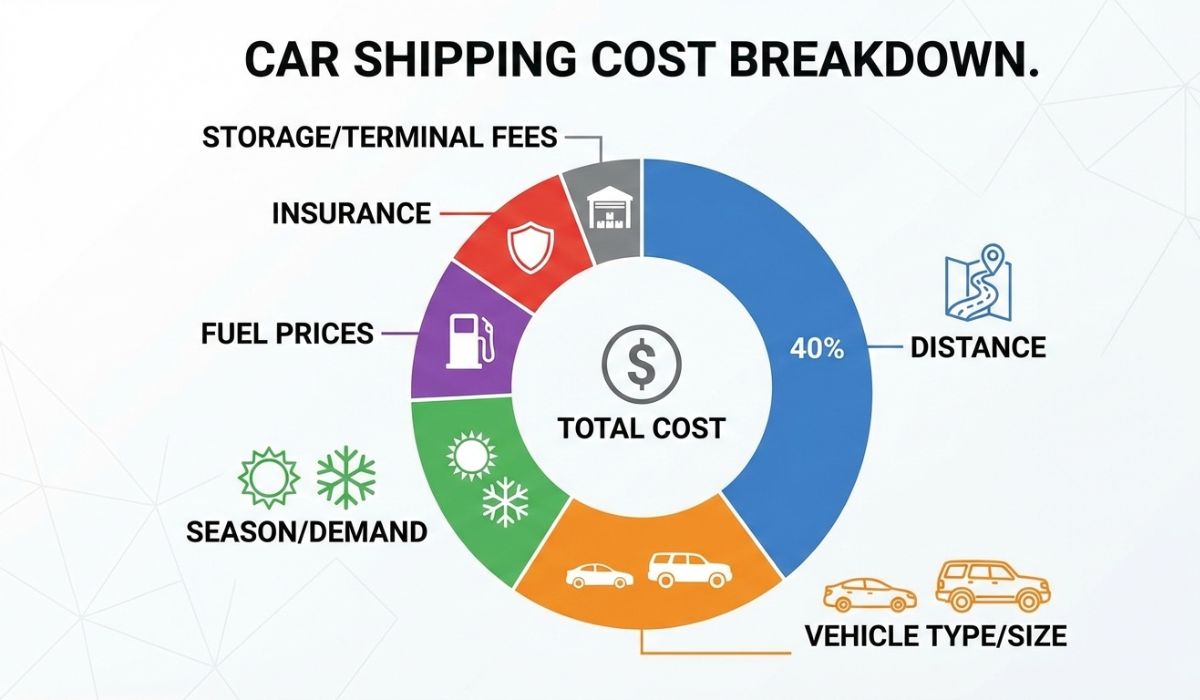
Many customers ask, “How much does it cost to ship a car in 2026?” Terminal to terminal car shipping prices depend mainly on distance. Average 2026 rates range from $600 for 500 miles to $1,400 for coast-to-coast. These reflect updated Car shipping rates per mile and rising fuel expenses.
Several Auto transport pricing factors influence the final rate. Distance, Vehicle size and weight impact, season, and the Fuel cost impact on shipping all matter. Storage at a Secure vehicle storage facility may add small daily fees. Always review Car transport insurance terms to confirm full Car shipping insurance coverage.
Advantages of Terminal-to-Terminal Car Shipping

The biggest strength of terminal-to-terminal car shipping is affordability. Because trucks follow optimized lanes, companies offer Competitive car transport pricing. This structure reduces idle time and lowers handling frequency, creating a Reduced handling risk for your vehicle.
Security also improves at a Surveillance-monitored terminal. Controlled access reduces exposure compared to street pickup. Many drivers report strong satisfaction in Customer reviews auto transport platforms. For those seeking an Affordable vehicle transport option, this model delivers steady value.
Possible Downsides & How to Avoid Them
Every service has trade-offs. Limited Shipping terminal locations may require extra driving. Some facilities charge short-term storage. You might also wait for the next Transport truck departure schedule if demand spikes.
However, smart planning prevents issues. Book early to avoid peak delays. Ask about free storage windows. Compare providers to find a Reliable car shipping company with transparent pricing. When you Compare car shipping companies, check FMCSA registration at https://www.fmcsa.dot.gov for safety compliance.
How to Book Terminal-to-Terminal Car Shipping (Step-by-Step)

Booking terminal to terminal car shipping is simple when you follow a clear order. First, request an Instant car shipping quote online. Then review pricing and verify the Auto Transport Company credentials. Choose between Open carrier transport and Enclosed auto transport based on vehicle value.
After confirming, schedule drop-off. Follow essential Vehicle shipping preparation tips such as checking fluids and documenting condition. Inspect again at pickup. If you’re ready to Ship my car today, always Book auto transport service early to secure preferred dates.
Tips to Prepare Your Car for Terminal Shipping

Preparation protects your investment. Always Remove personal items before shipping to avoid liability issues. Clean the exterior so inspection reports stay accurate. Keep fuel below one-quarter tank to reduce weight and improve efficiency during Long-distance car shipping.
Disable alarms to avoid battery drain. Confirm keys are available. Review your Car shipping insurance coverage carefully. Good preparation speeds up the Shipping transit time and ensures smooth coordination with your selected Car Shipping Services provider.
Frequently Asked Questions (FAQs)

What exactly is a vehicle shipping terminal?
A car terminal is a secure storage facility where vehicles are dropped off before transport and picked up after delivery.
Is terminal-to-terminal transport more affordable than door-to-door service?
Yes, it is usually cheaper because carriers avoid residential pickup and delivery routes.
What fees do car shipping terminals typically charge?
Terminals may charge short-term storage or handling fees, especially if a vehicle stays beyond the free window.
Is my car covered by insurance while it’s being transported?
Yes, licensed carriers provide insurance coverage during transit, though coverage limits can vary.
What payment methods are accepted for auto transport services?
Most companies accept credit cards, debit cards, bank transfers, or certified checks.
Does someone need to be present at drop-off and pickup?
Yes, either you or an authorized person must be present to inspect and sign the paperwork.
Can I leave personal belongings inside my vehicle during shipping?
Most companies discourage it because personal items are not covered by carrier insurance.
How early should I arrange my vehicle transport?
It’s best to schedule at least one to two weeks in advance, especially during busy seasons.
Where will my vehicle be collected and delivered?
With terminal service, your vehicle is dropped off and picked up at designated transport hubs.
What distinguishes open transport from enclosed transport?
Open transport carries vehicles on open trailers, while enclosed transport provides full protection inside covered trailers.
What kinds of vehicles can be transported?
Most companies ship sedans, SUVs, trucks, motorcycles, luxury cars, and even non-running vehicles.
How much fuel should remain in my car during transport?
Keep the tank about one-quarter full to reduce weight while allowing necessary loading and unloading.
Final Thoughts on Terminal to Terminal Car Shipping
Choosing terminal to terminal car shipping in 2026 is a smart move if you want balance between savings and structure. This method offers clear pricing, secure handling, and predictable timelines across the United States. Whether you are relocating, buying a car online, or planning a long-distance move, terminal to terminal car shipping gives you flexibility without high residential delivery fees. When you compare options carefully and work with a licensed carrier, the process becomes simple and stress-free. In short, terminal to terminal car shipping remains one of the most practical and budget-conscious vehicle transport solutions available today.


)
Recent Comments