
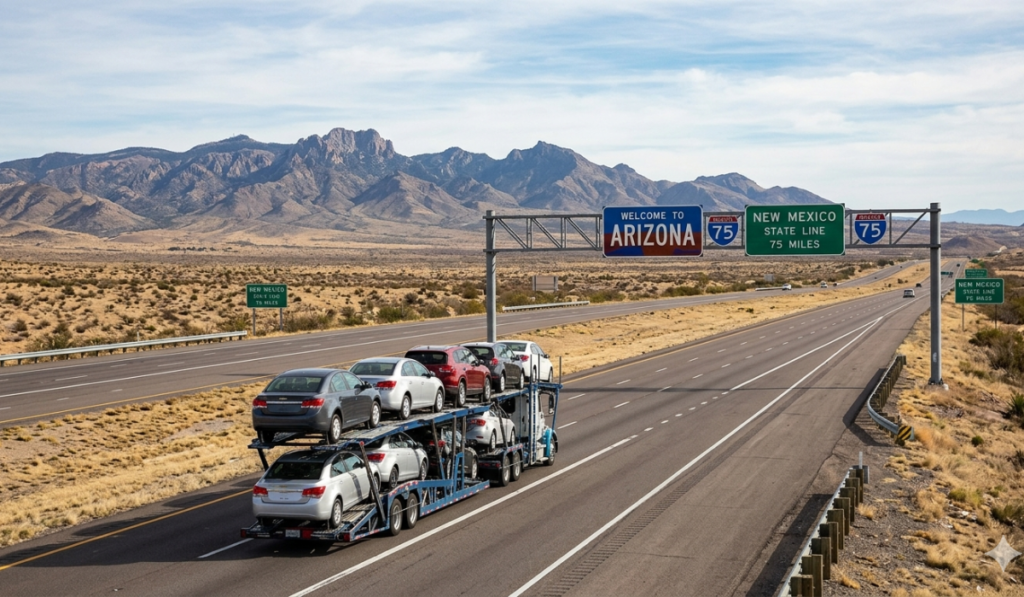
Moving your vehicle across such a long route can feel complicated, especially when Alaska is the destination. Idaho to Alaska car shipping gives you a practical alternative to driving for days through changing roads and weather. With SpeedComd, you can arrange Alaska auto transport, compare vehicle shipping rates, choose door-to-door car shipping, and receive a clear transport quote for your route. Whether you’re leaving Boise, Idaho Falls, or another Idaho city, the right planning can make your vehicle relocation much easier.
Idaho to Alaska Car Shipping Rates and Average Cost
The biggest question for most customers is price. The car shipping cost depends on several moving parts rather than one fixed rate. Distance, vehicle size, transport type, season, fuel prices, carrier availability, and the final Alaska destination can all influence your vehicle shipping rates.
For example, shipping a compact sedan from Boise to Anchorage won’t usually cost the same as moving a large pickup to a remote community. A longer inland connection after the Alaska port can also raise the price. Your best option is to request a personalized shipping estimate using accurate vehicle and route information.
| Pricing Factor | Why It Matters |
| Vehicle size | Larger vehicles require more transport space |
| Pickup location | Remote Idaho areas can require additional carrier mileage |
| Alaska destination | Remote destinations may need extra transportation |
| Transport type | Open and enclosed options have different pricing |
| Season | Demand and weather can affect availability |
| Vehicle condition | Non-running vehicles may require special equipment |
| Scheduling | Flexible dates can improve carrier options |
What determines the shipping price?
Several details shape your final transport quote. The carrier considers the route, vehicle dimensions, operating condition, pickup and delivery points, and preferred dates. A large SUV or oversized truck needs more deck space than a compact car. Accurate details help prevent surprises later.
Average cost factors for different vehicle types
Vehicle type matters because transport equipment has limited capacity. A sedan generally needs less space than a pickup, SUV, RV, or oversized vehicle. Specialty vehicles can also require different handling. SpeedComd can review your vehicle details and help determine the most practical transport option.
How season, route, and transport type affect rates
Seasonal demand can change auto transport rates, especially when many people relocate to Alaska. Summer often brings stronger moving demand. Winter can introduce difficult road conditions and scheduling challenges. Your chosen route also matters because inland trucking and marine connections can vary by destination.
Why Alaska routes can cost more than standard interstate shipping
Alaska isn’t connected to the Lower 48 by a normal road route. A typical shipment may involve trucking through the Pacific Northwest before a marine leg. That extra coordination can make Alaska transportation more complex than ordinary interstate shipping. The route is more like a relay than a single drive.
How Long Does It Take to Ship a Car from Idaho to Alaska?
Transit time depends heavily on the exact route. The total journey includes pickup coordination, inland transportation, port processing, marine movement, and final delivery. Therefore, don’t confuse the carrier’s pickup window with the vehicle’s complete transit time. Each stage can have its own schedule.
Marine schedules can create another variable. The Alaska Marine Highway publishes sailing calendars and route information for its vessels. Some vehicle reservations also require early terminal check-in. For example, certain Bellingham-to-Alaska sailings require vehicles to check in three hours before departure.
Typical transit time
There isn’t one universal delivery time for every Idaho-to-Alaska shipment. Anchorage may have a different timeline than a remote community. Your shipping schedule also depends on carrier availability and marine connections. SpeedComd can provide an estimated delivery window after reviewing your complete route.
Pickup and delivery scheduling
Scheduling starts with your Idaho pickup location and preferred dates. The carrier then coordinates loading and movement toward the appropriate port connection. At delivery, another driver or terminal process may complete the final leg. Flexible dates can give your shipping coordinator more room to solve scheduling issues.
Factors that can cause delays
Weather, road closures, mechanical problems, port congestion, sailing changes, and limited carrier availability can affect delivery. Alaska also has remote communities where transportation options are naturally narrower. Planning early gives your carrier more time to handle unexpected changes without turning the entire move into a scramble.
Weather and ferry schedule considerations
Marine schedules aren’t simply an afterthought. Alaska Marine Highway schedules vary by route and season. The state provides sailing calendars and search tools for checking current connections. Vehicle check-in requirements also vary by terminal, which makes accurate scheduling important.
How Idaho to Alaska Car Shipping Works
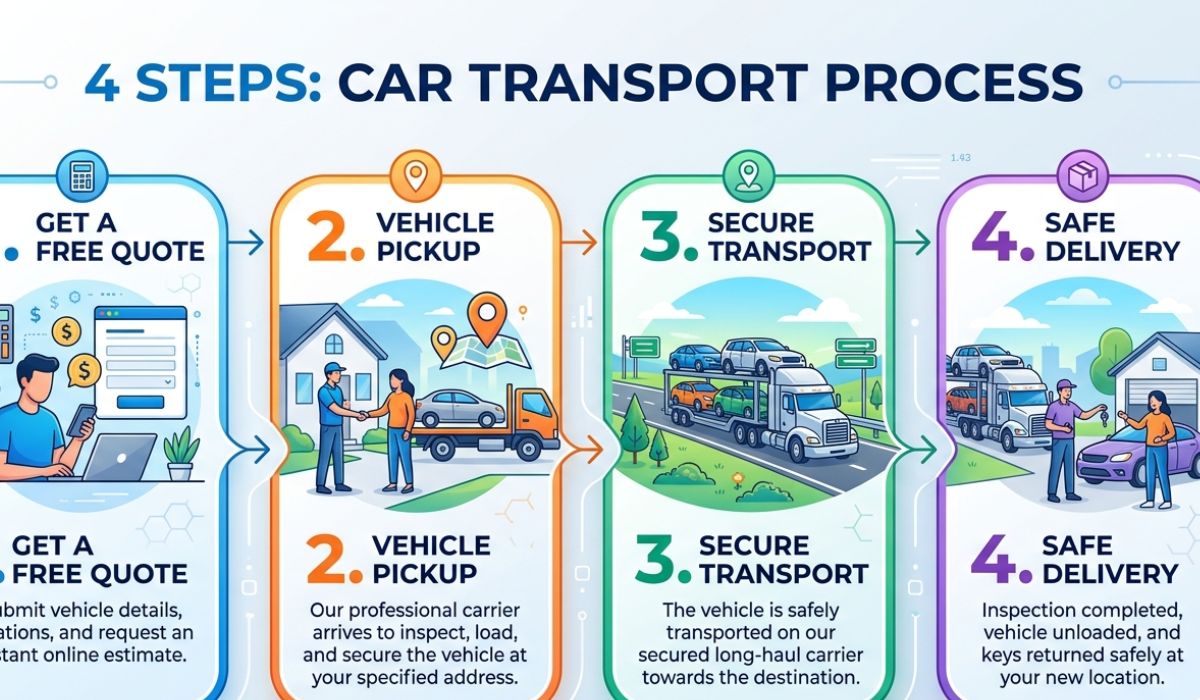
The auto transport process usually begins with a quote and ends with a final vehicle inspection. First, you provide your vehicle and route details. Next, your shipping coordinator arranges transportation. The carrier collects the vehicle, moves it through the planned route, and completes delivery.
Before loading, inspect the vehicle carefully and record its existing condition. The carrier normally documents the vehicle through transport paperwork such as a bill of lading and condition information. Keep your own photographs as well. They create a useful record if you need to compare the vehicle at delivery.
Step-by-step shipping process
A simple shipment follows several connected stages. You request a quote, confirm your route, schedule transportation, prepare the vehicle, complete pickup, and monitor progress. The carrier then handles the planned transport legs before arranging delivery. Finally, you inspect the vehicle and complete the handoff.
Getting a quote
Your quote should reflect the actual shipment rather than a vague estimate. Provide the vehicle year, make, model, condition, pickup location, destination, and preferred dates. If you have an oversized vehicle or special requirements, mention them immediately. Accurate information helps your coordinator find an appropriate solution.
Booking your transport
Once you approve the transportation plan, SpeedComd can coordinate the next steps with the assigned carrier. Confirm the pickup address, contact information, vehicle condition, and scheduling details before transport begins. Clear communication at this stage can prevent small misunderstandings from becoming expensive delays.
Vehicle pickup and delivery
At vehicle pickup, the carrier verifies the vehicle’s condition and prepares it for loading. At vehicle delivery, you should inspect the exterior and compare it with the original condition report. Note any concerns before completing the final handoff. This simple habit gives you stronger documentation.
Tracking your shipment
Reliable communication matters during a long-distance move. Shipment tracking can help you understand where your vehicle stands during transportation. However, tracking doesn’t always mean a live map. Depending on the carrier system, updates may show shipment milestones, pickup progress, terminal movement, or delivery status.
Ship a Car From Idaho to Alaska With SpeedComd
SpeedComd helps simplify an otherwise complicated route. Instead of arranging every transportation leg yourself, you can work with a shipping coordinator who understands the moving parts. The goal is simple: connect your Idaho pickup with the right transport solution for your Alaska destination.
A good auto transport company should make communication easier rather than create another headache. SpeedComd can help customers understand their options, prepare their vehicles, coordinate pickup, and stay informed throughout transportation. For a move this long, responsive support can make a noticeable difference.
Door-to-door transportation options
Door-to-door car shipping can reduce the hassle of arranging separate local transportation. Depending on access and carrier availability, the vehicle can be collected near your residence or business. Remote roads or restricted areas may require a nearby meeting point. Your coordinator can explain the practical option.
Professional carrier coordination
The right professional car carrier matters because Alaska-bound transportation requires careful scheduling. SpeedComd coordinates carrier availability with your route and vehicle requirements. That approach can help reduce confusion between inland trucking, port handling, and the final delivery stage.
Flexible pickup and delivery
Moving dates don’t always cooperate. Flexible pickup windows can make it easier to match your shipment with available capacity. The same principle applies to Alaska delivery. If your destination is remote, giving the carrier more scheduling room can make transportation smoother and potentially more economical.
Support throughout the shipment
Long-distance transportation shouldn’t feel like sending your car into a black hole. SpeedComd can provide communication throughout the move. From the first quote to final delivery, customers should know what happens next, who handles the shipment, and what information they need to provide.
From Your Door in Idaho to Any Major Alaska Destination
Your starting point can be almost anywhere in Idaho. Common service areas include Boise, Meridian, Nampa, Idaho Falls, Pocatello, Twin Falls, Caldwell, and Coeur d’Alene. The exact pickup arrangement depends on road access and carrier availability. Remote locations may use a nearby accessible meeting point.
Alaska presents a different challenge because communities are spread across a huge area. Anchorage and Fairbanks have strong transportation connections, while destinations such as Juneau, Ketchikan, Kodiak, and Valdez may require more specialized planning. The Alaska shipping route should therefore be chosen around your actual destination rather than simply the state.
Pickup Locations Across Idaho
Customers can arrange pickup from residential or commercial locations across Idaho when carrier access permits. Boise often provides strong transportation connectivity, while smaller communities may require additional coordination. Your exact pickup location should be accessible to the carrier and suitable for safe loading.
Delivery to Anchorage and Other Alaska Areas
Anchorage is one of the major transportation hubs for vehicles entering Alaska. Fairbanks can require additional inland movement after the vehicle reaches the state. Other communities can involve marine or regional connections. Your final delivery location should be confirmed before the quote is finalized.
Port-to-Door and Door-to-Port Shipping Options
Some routes use port-to-port vehicle shipping when customers prefer terminal handling. Others use door-to-port auto transport before the marine portion begins. A port-to-door arrangement can handle the reverse process. The best choice depends on your destination, schedule, budget, and willingness to manage terminal pickup.
Open vs. Enclosed Idaho to Alaska Auto Transport
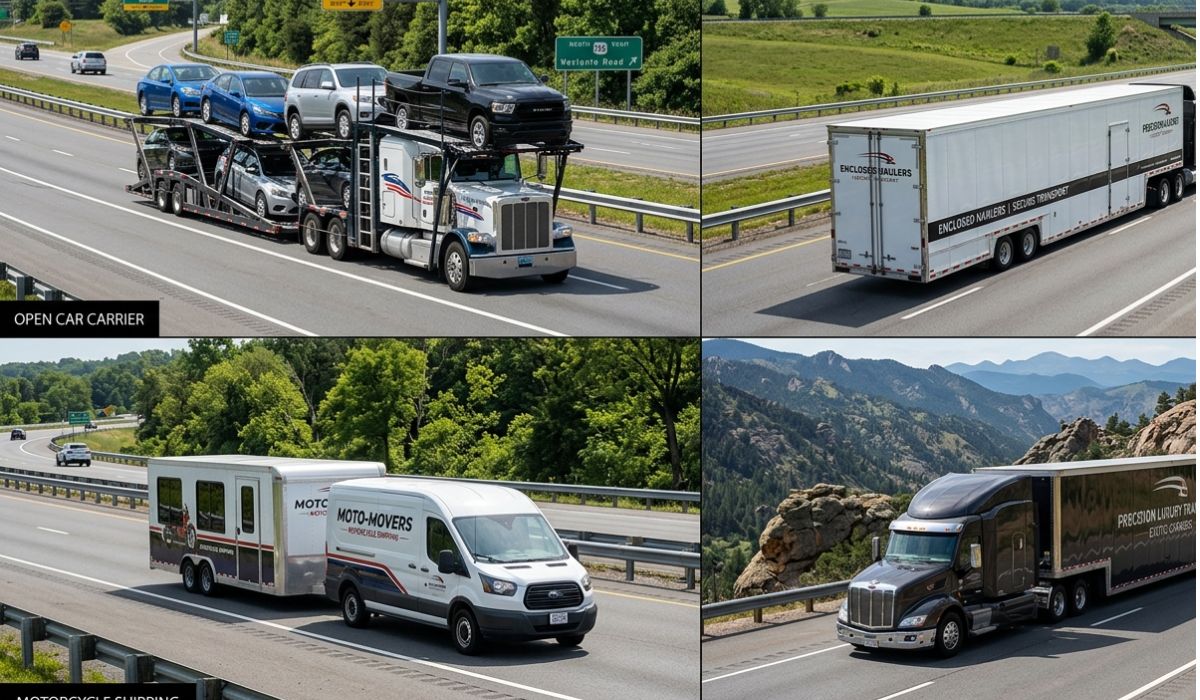
Choosing between open and enclosed transport comes down to protection, budget, and vehicle value. Open car transport usually offers an economical solution for everyday vehicles. Enclosed car transport provides additional protection from road debris and weather exposure, which can matter for valuable vehicles.
For a normal commuter sedan, open transport may offer a sensible balance. A classic Corvette, restored Mustang, luxury vehicle, or collectible may justify enclosed equipment. There isn’t one perfect answer for everyone. Your vehicle’s value and condition should guide the decision.
| Transport Type | Best For | Main Advantage | Main Consideration |
| Open | Daily drivers, SUVs, trucks | Usually more economical | Greater exposure |
| Enclosed | Classics, luxury cars | Added protection | Higher cost |
| Specialty | Unusual or oversized vehicles | Customized handling | Requires route planning |
Open transport for standard vehicles
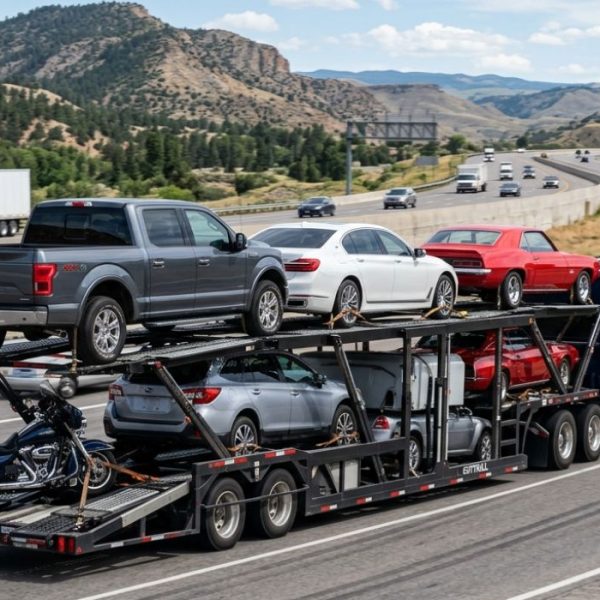
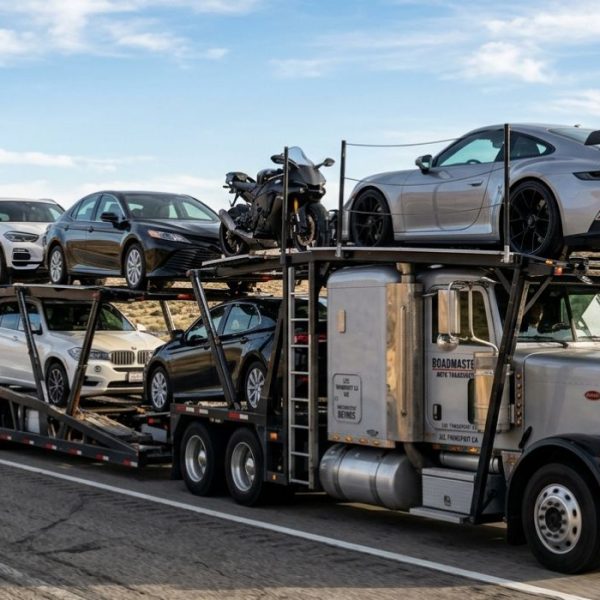
Open equipment carries multiple vehicles together and remains a popular choice for standard transportation. It can work well for sedans, SUVs, and pickup trucks. If your priority is keeping car shipping cost manageable, ask SpeedComd whether open transport suits your particular route.
Enclosed transport for luxury, classic, and high-value cars
Enclosed equipment surrounds the vehicle during transportation. That can reduce exposure to road debris, precipitation, and other outside conditions. Owners of collector cars often prefer this additional protection. However, enclosed capacity can be more limited, so advance planning becomes even more important.
Which option offers the best value?
Value isn’t always the cheapest price. Consider your vehicle’s condition, replacement cost, age, and personal tolerance for exposure. Spending more on protection can make sense for a rare vehicle. For an everyday car, the savings from open transportation may provide better overall value.
When should you choose enclosed shipping?
Enclosed shipping becomes especially attractive for expensive, restored, antique, or highly customized vehicles. It can also suit owners who want extra protection during a long journey. Before booking, ask about equipment availability, route coverage, insurance terms, and the expected pickup window.
Alaska Car Shipping Routes and Transportation Options
An Alaska vehicle transport shipment can involve several connected transportation stages. Your car may travel from Idaho into the Pacific Northwest, reach a Washington port, move by marine transportation, and then continue inland. The exact arrangement depends on the final destination and available transportation services.
The Alaska Marine Highway serves numerous coastal communities and spans roughly 3,500 miles of coastline. Its official information shows connections reaching communities from Bellingham, Washington, toward Alaska destinations.
Idaho to Anchorage
Anchorage is one of the most common destinations for vehicles entering Alaska. A shipment can involve inland trucking toward the Pacific Northwest followed by marine transportation and additional local movement. The final arrangement depends on the carrier and current route availability.
Idaho to Fairbanks
Fairbanks sits farther inland than Anchorage. That can mean an additional ground segment after the vehicle enters Alaska. Customers should therefore avoid judging the entire delivery time from the marine portion alone. The final inland leg can affect both timing and pricing.
Idaho to Juneau and other Alaska destinations
Juneau, Ketchikan, Kodiak, Dutch Harbor, and other communities can require more detailed route planning. Some destinations depend heavily on marine schedules. The Alaska Marine Highway also notes that individual vessels and ports can have different restrictions for unusual vehicle sizes.
Port-based transportation
Port-based service can be useful when direct delivery isn’t practical. A customer may arrange pickup at an Alaska terminal rather than paying for another inland leg. This can sometimes simplify the final stage. However, terminal access, operating hours, vehicle restrictions, and availability should be confirmed beforehand.
Why remote Alaska deliveries may require additional planning
Remote destinations can have fewer carriers, fewer roads, and more limited sailing options. That’s why an Alaska-bound vehicle shouldn’t be treated like a normal interstate shipment. The farther your destination sits from a major hub, the more important accurate scheduling becomes.
Winter Weather, Ferry Schedules, and Other Alaska Shipping Challenges
Alaska transportation has its own rhythm. Snow, ice, mountain roads, marine conditions, port schedules, and remote communities can all influence a shipment. The state’s ferry system also publishes route calendars and sailing information, making schedule checks an important part of planning.
Vehicle dimensions matter too. Alaska Marine Highway rules state that oversized vehicles can require special booking, while vehicles above certain dimensions may not qualify for ordinary online reservations. Accurate length, width, height, and extensions should therefore be disclosed before transportation.
Extreme Winter Conditions
Winter weather can affect roads and transportation schedules across Idaho, British Columbia, the Yukon, and Alaska. Snow and ice may slow ground movement. Severe conditions can also alter delivery expectations. Building some flexibility into your plans is wise when shipping during the colder months.
Limited Ferry and Vessel Schedules
Marine transportation doesn’t operate like an open highway. Sailings follow planned schedules and available vessel capacity. The Alaska Marine Highway recommends specific vehicle check-in periods, including three hours for certain Bellingham-to-Alaska routes. Missing the assigned window can create additional problems.
Remote Route Isolation
Remote communities can create logistical challenges because fewer transportation providers serve them. A shipment may need additional handling after reaching a larger port. This is why the final destination should be provided when requesting your quote. Don’t assume every Alaska community has identical transport access.
Canadian Transit Requirements
Some surface routes to Alaska pass through Canada. That makes Canadian transit considerations relevant to certain transportation plans. Documentation and border requirements can depend on the shipment and circumstances. Customers should provide accurate vehicle ownership and identification information and confirm current requirements before travel.
Seasonal Shipping Considerations
Your shipping season can influence availability and scheduling. Summer often brings increased relocation activity, while winter introduces more weather uncertainty. Neither season automatically guarantees the cheapest or fastest shipment. The best timing depends on your route, vehicle, destination, and flexibility.
Best Time to Ship a Car from Idaho to Alaska
Timing your shipment well can save stress even when it doesn’t guarantee a lower price. Summer can bring stronger relocation demand, while winter can introduce difficult winter weather. If your move has a firm deadline, booking earlier gives your coordinator more opportunity to match your dates.
The Alaska Marine Highway currently provides seasonal sailing information and publishes schedules for its routes. Checking the latest schedule matters because sailing availability can change. For 2026–27, the system has published a winter schedule covering October 1, 2026 through April 30, 2027.
Summer vs. winter transportation
Summer can provide easier road conditions in many areas, but demand may also increase. Winter may offer different availability while creating more weather uncertainty. Your best choice depends on your move date. If you can choose freely, compare current carrier availability before committing.
Peak-season pricing
High demand can affect transportation availability and pricing. When many customers need vehicles moved at the same time, carrier capacity becomes more valuable. Rather than waiting until the last moment, request your quote early. This gives you a clearer view of current market conditions.
Why early booking matters
Early booking gives your transport carrier more time to coordinate the route. This matters even more when your destination depends on marine capacity. A few extra weeks can provide greater scheduling flexibility and reduce the pressure of finding an immediate solution.
How weather affects scheduling
Weather can affect both road and marine transportation. A snowstorm might slow the Idaho pickup, while poor conditions elsewhere could affect the next stage. Good planning leaves room between your vehicle’s expected arrival and any critical appointment, move-in date, or work commitment.
How to Prepare Your Vehicle for Idaho to Alaska Shipping
Preparation starts before the carrier arrives. Clean the vehicle so existing scratches and dents are easy to document. Take clear photographs from multiple angles and record the mileage. Your vehicle inspection should identify visible damage before loading. This creates a useful comparison at delivery.
You should also secure loose accessories and remove items that could move around. Check the battery, tires, fluids, and alarms. Keep required keys and documents available. If your car has special features or unusual modifications, tell SpeedComd before pickup so the carrier can plan properly.
Remove personal belongings
Personal belongings can create complications if they’re undisclosed, unsecured, or too heavy. Never assume everything inside the car automatically travels with it. Discuss personal belongings with your coordinator first. Items can shift during transportation and may also create additional weight or liability concerns.
Check fluids and battery
A basic mechanical check can prevent avoidable problems. Confirm that tires have suitable pressure and the battery is secure. Check for leaks as well. If the vehicle has mechanical issues, disclose them before pickup. A carrier needs to know whether the car can start, roll, steer, and brake.
Document existing vehicle damage
Photographs provide a simple visual record. Capture the front, rear, sides, wheels, glass, and any existing dents or scratches. Record the mileage as well. Compare these images with the vehicle condition report and transport paperwork when the vehicle arrives.
Prepare keys and required documents
Keep the necessary keys available and provide accurate vehicle information. Your VIN, registration details, identification, and other paperwork may be relevant depending on the shipment. Don’t leave important documents hidden inside the vehicle. Give your shipping coordinator clear instructions before pickup.
Follow fuel-level requirements
Fuel requirements can vary by carrier and transport method. Keep the vehicle at the level requested by your carrier before pickup. Excess fuel adds unnecessary weight and creates safety concerns. If you’re unsure about the required fuel level, ask SpeedComd before the driver arrives.
Disable alarms and secure loose parts
A car alarm can become a nuisance during transportation if it activates repeatedly. Disable it when appropriate and secure removable accessories. Check roof racks, antennas, spoilers, loose trim, and other additions. If anything extends the normal vehicle dimensions, mention it during quoting.
What Can You Ship With Your Vehicle?
Vehicle transportation isn’t limited to ordinary sedans. Depending on equipment and route availability, customers may arrange SUV transport, truck transport, motorcycle shipping, RV transport, specialty vehicle movement, and other services. Large or unusual vehicles require more careful planning because space and equipment can vary.
Personal cargo requires separate attention. Never assume a carrier accepts everything inside the vehicle. Ask about weight limits, prohibited items, insurance coverage, and documentation. Oversized cargo can also change the transportation plan. Clear disclosure protects both you and the carrier from last-minute surprises.
| Vehicle or Cargo Type | Planning Consideration |
| Sedan | Standard transport is often suitable |
| SUV | Confirm dimensions and weight |
| Pickup truck | Larger size can affect pricing |
| Motorcycle | Secure loading is essential |
| RV | Length and height require careful planning |
| Non-running vehicle | Special loading equipment may be needed |
| Oversized cargo | Customized transportation may be necessary |
| Heavy equipment | Route and equipment planning become critical |
Personal items inside the vehicle
Personal items should only remain inside the vehicle when the carrier permits them. Keep valuables, documents, electronics, medication, and irreplaceable belongings with you. If permitted cargo is left inside, secure it carefully. Tell the coordinator what you’re transporting before pickup.
Restrictions on belongings
Not every item belongs inside a transported vehicle. Hazardous materials, valuable possessions, weapons, and other restricted goods should never be casually packed inside. Carrier policies can differ. Ask for the current rules before loading anything. That small conversation can prevent a major problem.
Oversized items and special cargo
An oversized vehicle may require different equipment or a specialized quote. The Alaska Marine Highway also applies additional requirements to larger vehicles. Current AMHS guidance says vehicles over 30 feet long or 8 feet wide are considered oversized for its booking process.
Motorcycles, SUVs, trucks, and other vehicles
Different vehicles need different handling. Motorcycles need secure tie-downs, while tall trucks can require additional clearance. RVs also have length and height considerations. AMHS notes that vehicle fares and restrictions can depend on overall dimensions and vehicle type.
Container shipping considerations
Containerized transportation can provide a different solution for certain vehicles or cargo. It may suit specialty shipments where additional protection or consolidated cargo handling matters. However, container availability, dimensions, port handling, and loading requirements should be confirmed before selecting this approach.
Why Choose SpeedComd for Idaho to Alaska Auto Transport?
A long-distance vehicle move demands more than finding a driver. You need coordination between the pickup, carrier, route, port, and final delivery. SpeedComd focuses on making those moving parts easier to manage. The goal is dependable communication without making the customer chase every detail.
A strong carrier network can also provide more options when schedules shift. SpeedComd can help match your shipment with transportation requirements and explain available choices. Customers should receive clear information about pricing, timing, vehicle preparation, and delivery expectations before committing.
Reliable carrier network
Carrier availability can change quickly on long routes. A broad network can help coordinators search for suitable transportation rather than relying on one option. SpeedComd uses carrier coordination to help customers find practical solutions based on their route, vehicle, and requested schedule.
Transparent shipping quotes
A useful quote should explain what the price covers. Your final price can depend on distance, vehicle size, destination, transport type, timing, and special requirements. SpeedComd can review those details so you understand the transportation plan before moving forward.
Experienced transportation coordination
Alaska shipments involve more than ordinary highway driving. They can involve ports, marine schedules, remote communities, and inland transfers. An experienced coordinator can connect those pieces and keep communication organized. That’s especially helpful when your destination sits far beyond a major Alaska hub.
Door-to-door convenience
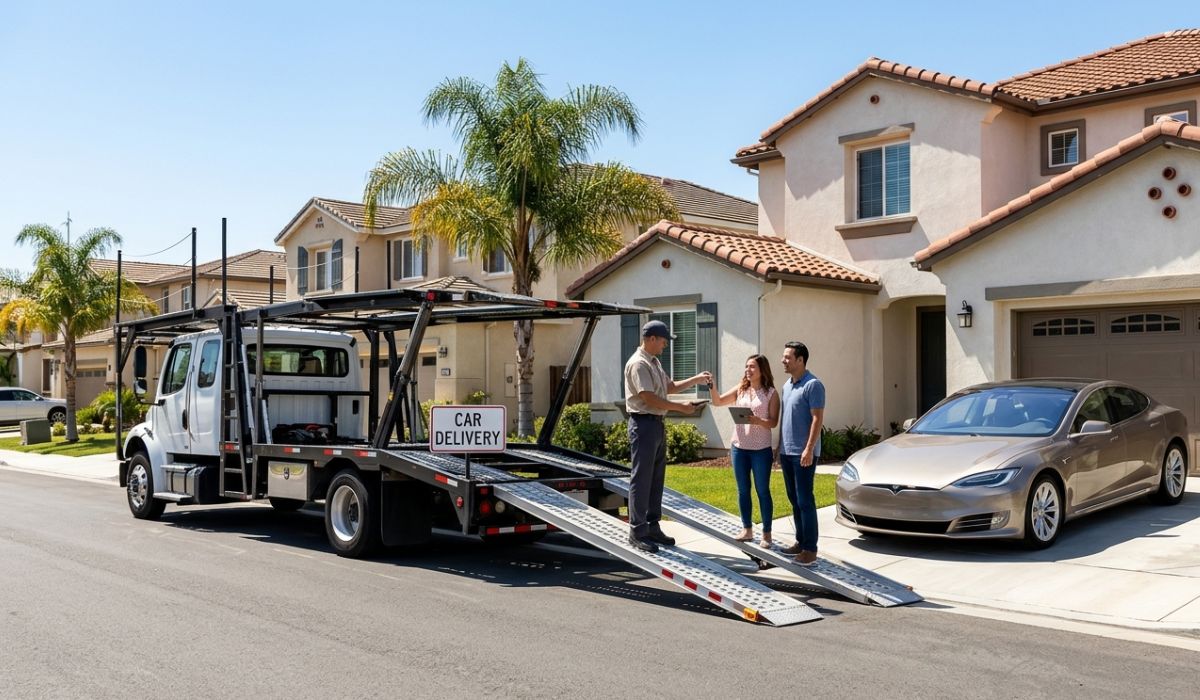
When practical, door-to-door service reduces the number of steps you manage yourself. You don’t need to arrange separate local transportation just to reach a terminal. Accessibility still matters. If a carrier can’t safely reach your exact address, the coordinator can discuss a nearby pickup point.
Customer-focused communication
Good service should feel simple. You should know when pickup is expected, what preparation is required, and what happens next. SpeedComd can keep those details organized so you aren’t left wondering whether your vehicle has moved to the next stage.
Shipment tracking and support
Insured vehicle transport and clear communication provide valuable peace of mind during a long move. Shipment tracking can also help you follow important milestones. Ask what tracking information is available before booking. The exact tracking system can vary by carrier and transportation arrangement.
How to Get an Idaho to Alaska Car Shipping Quote
Getting an accurate quote starts with accurate information. Provide the year, make, model, operating condition, pickup address, Alaska destination, and preferred dates. If you need enclosed service, terminal delivery, or transportation for a non-running vehicle, mention it immediately. Details matter.
Don’t focus only on finding the lowest number. Compare the service behind the price. Ask about carrier assignment, insurance, pickup expectations, delivery windows, cancellation terms, and communication. A cheap quote isn’t useful if it doesn’t match your actual shipment requirements.
| Information Needed | Why It Helps |
| Year, make, and model | Determines vehicle category |
| Pickup address | Helps assess route accessibility |
| Alaska destination | Determines final transportation requirements |
| Vehicle condition | Identifies loading needs |
| Vehicle dimensions | Helps confirm equipment compatibility |
| Preferred dates | Helps coordinate carrier availability |
| Transport preference | Determines open or enclosed options |
| Special requirements | Prevents last-minute changes |
Information needed for an accurate quote
Your quote request should include complete shipment information. Mention whether the vehicle runs, rolls, steers, or brakes normally. Also provide the correct VIN when requested. Accurate details help your coordinator evaluate the shipment instead of guessing about its requirements.
Vehicle make, model, and condition
A compact sedan and a lifted pickup don’t occupy the same transport space. The same applies to classic vehicles and modified cars. Tell SpeedComd about modifications, damage, mechanical problems, or unusual dimensions. Transparency helps the carrier prepare the correct equipment.
Pickup and delivery locations
Your origin and destination strongly influence transportation planning. Boise to Anchorage is a different shipment from a remote Idaho town to a smaller coastal Alaska community. Include complete addresses when possible. A precise route helps your coordinator evaluate inland and marine transportation requirements.
Preferred shipping method
Tell your coordinator whether you prefer open or enclosed service. If you’re considering terminal transportation, mention that too. Some customers prioritize affordability, while others want maximum convenience or protection. Your preferred method helps shape the available transportation options.
Flexible scheduling options
Flexible dates can improve carrier availability. Instead of requiring one exact pickup hour weeks ahead, provide a reasonable pickup window when possible. This can help your coordinator match your vehicle with a carrier already moving along a suitable route.
What can change your final shipping price?
Your final rate can change when shipment details change. Examples include a larger vehicle, a remote destination, a non-running car, tighter dates, additional cargo, or a different transport method. Always review the final transportation details before authorizing the shipment.
Frequently Asked Questions About Idaho to Alaska Car Shipping
These questions cover the concerns customers commonly have before arranging transportation. Exact requirements can vary by carrier, vehicle, route, and current transportation rules. When something affects safety, customs, marine travel, or vehicle eligibility, confirm the current requirement with your coordinator before pickup.
The most important rule is simple: disclose accurate information. Your vehicle’s size, condition, destination, powertrain, and special equipment can all affect transportation. For marine routes, Alaska’s official guidance also emphasizes accurate vehicle measurements and proper disclosure for certain vehicle types.
Is It Cheaper to Drive or Ship My Car?
Driving may look cheaper because you only see fuel costs. However, Idaho to Alaska car shipping can save you from hotels, meals, extra mileage, vehicle wear, and several days on the road. For a long Alaska move, SpeedComd can compare your route and provide a personalized transport quote.
What Is the Cheapest Way to Ship to Alaska?
For many standard vehicles, open car transport is usually the more budget-friendly option. Your final price still depends on your Idaho pickup city, Alaska destination, vehicle size, season, and marine route. SpeedComd can help you find a practical Idaho to Alaska car transport option based on your needs.
How Can I Ship My Car to Alaska?
Start by requesting an Idaho to Alaska car shipping quote with SpeedComd. Provide your vehicle details, pickup location, destination, condition, and preferred dates. Your shipment may combine inland trucking with marine transportation through the Pacific Northwest before reaching Alaska.
How Much to Ship a Car 1,000 Miles Away?
A 1,000-mile shipment can vary widely based on vehicle size, route, season, and transport type. Current industry estimates put many 1,000-mile open shipments around 800–1,200, though Alaska routes can cost more because they involve additional logistics. SpeedComd can provide a route-specific shipping estimate.
Final Thoughts on Idaho to Alaska Car Shipping
Shipping a vehicle from Idaho to Alaska doesn’t have to feel overwhelming. The key is understanding the route before you book. Your price, timing, vehicle preparation, transport type, and destination all influence the final plan. Good preparation removes much of the uncertainty.
Whether you’re leaving Boise, Idaho Falls, Meridian, or another Idaho community, SpeedComd can help coordinate the move. From the first quote through pickup and final delivery, the right transportation partner can keep the process organized. If you’re ready to ship a car from Idaho to Alaska, request a personalized SpeedComd quote based on your actual vehicle and route.

Recent Comments